
Come, come, sit down for a bit.
I want to tell you how this thing happened, because honestly… I didn’t plan any of it.
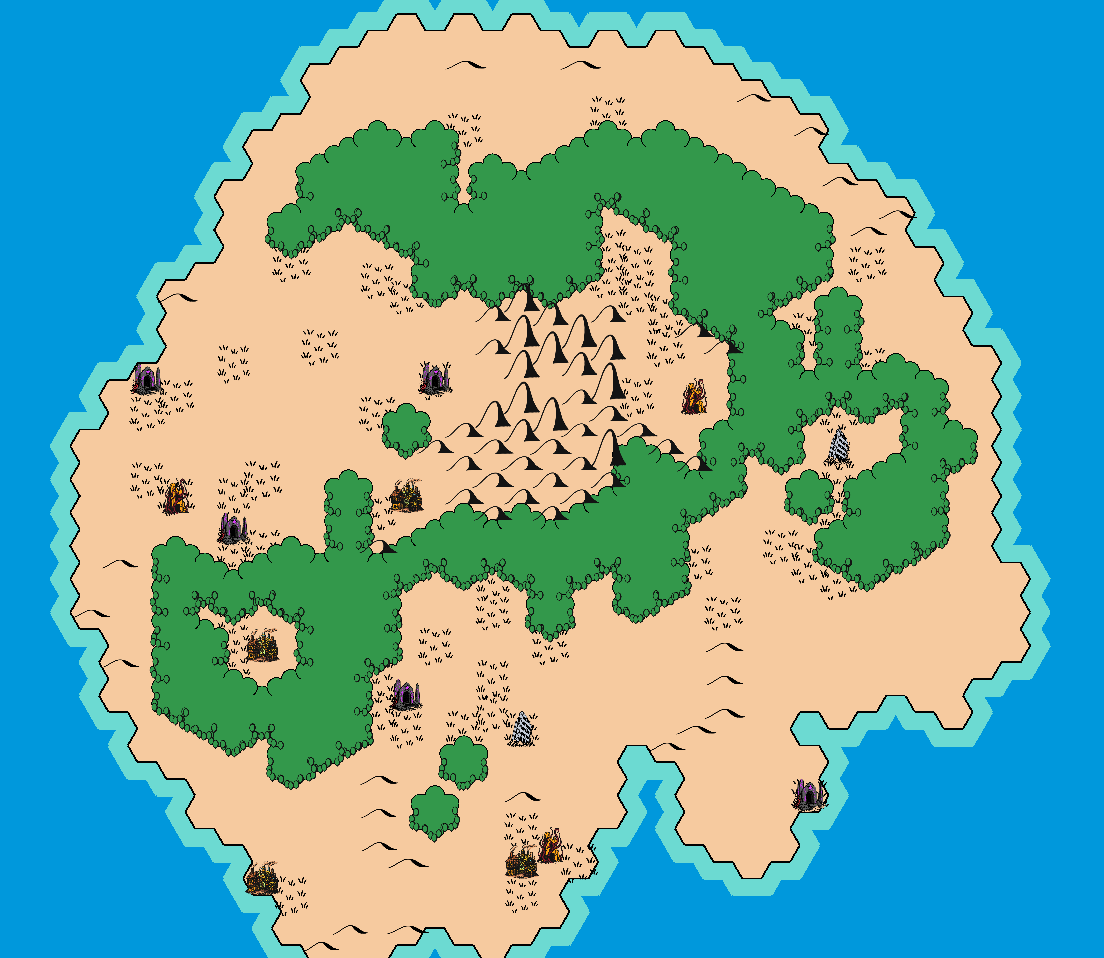
Wanderers’ Outpost wasn’t supposed to be a game. Not even close. It started as a tool—just something I needed so I could keep working on Mythara Chronicles. I wanted a way to build world maps and small village layouts without manually placing every single thing like a madman.
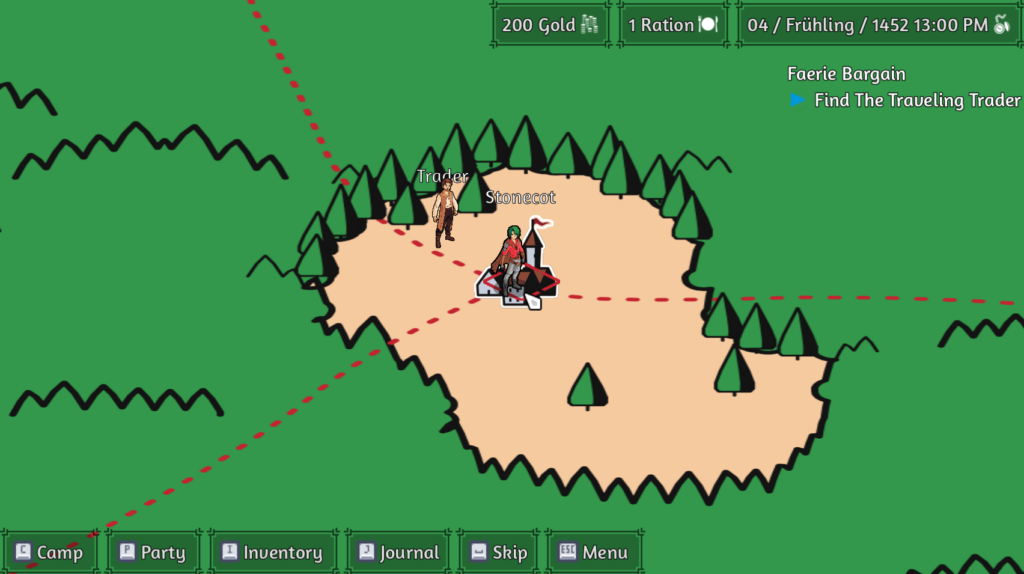
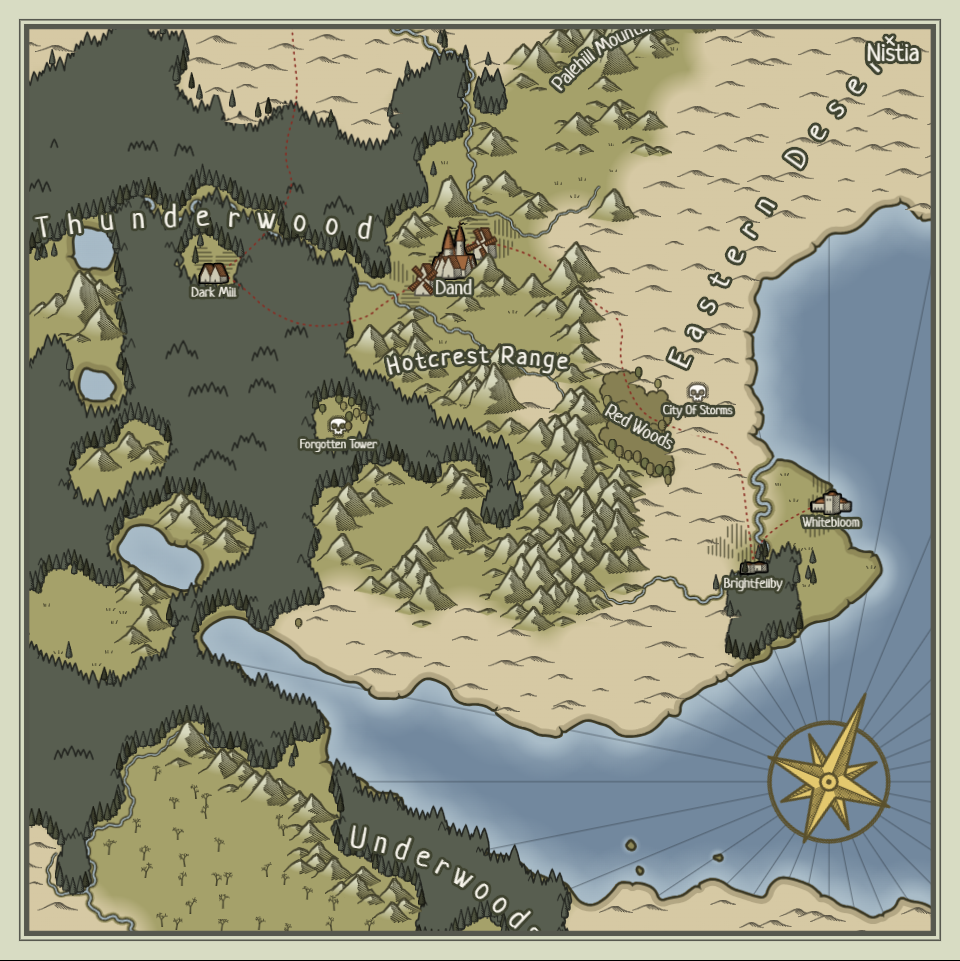
At the time, I was messing around a lot with Perilous Shores. You press a button and suddenly, boom! you’ve got a place that feels like it already has stories hiding in it. I was already using it for my project, so I thought, “okay… what if I just build something like this, but for my own workflow?”
So I did. Rough, messy, very “get it working first, fix it later.”
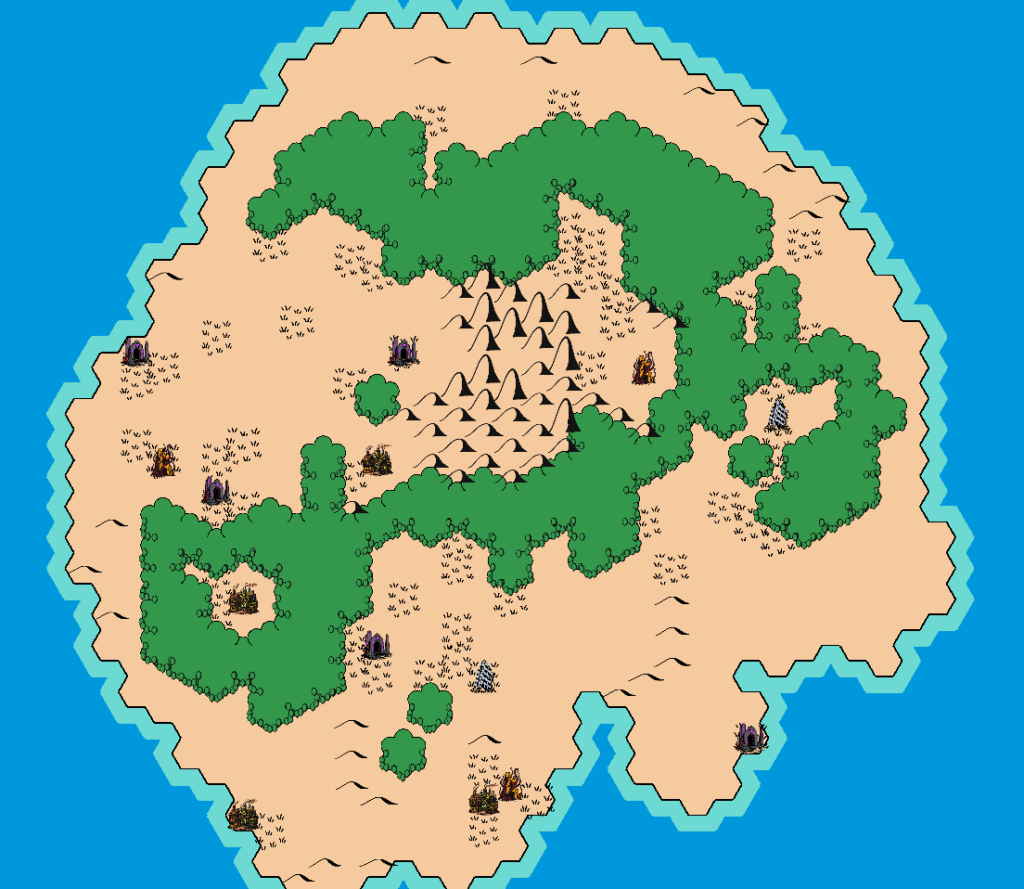
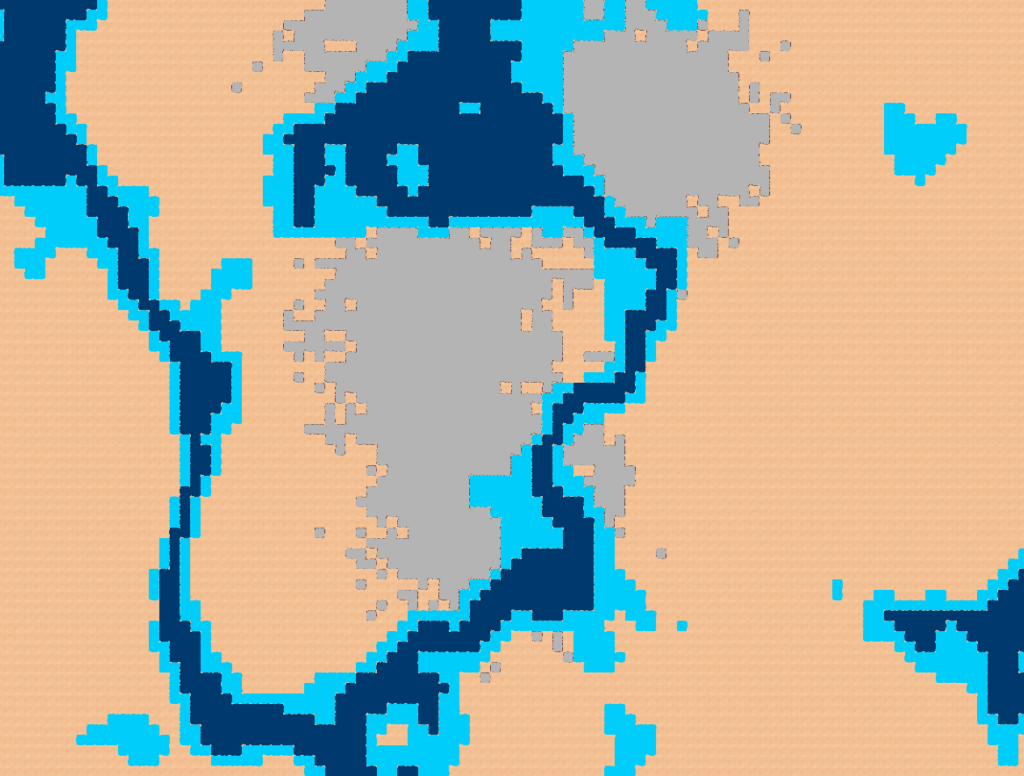
It started simple. Just terrain. Tiles. Some rules so villages don’t look completely broken. Nothing exciting, just enough to generate something usable.
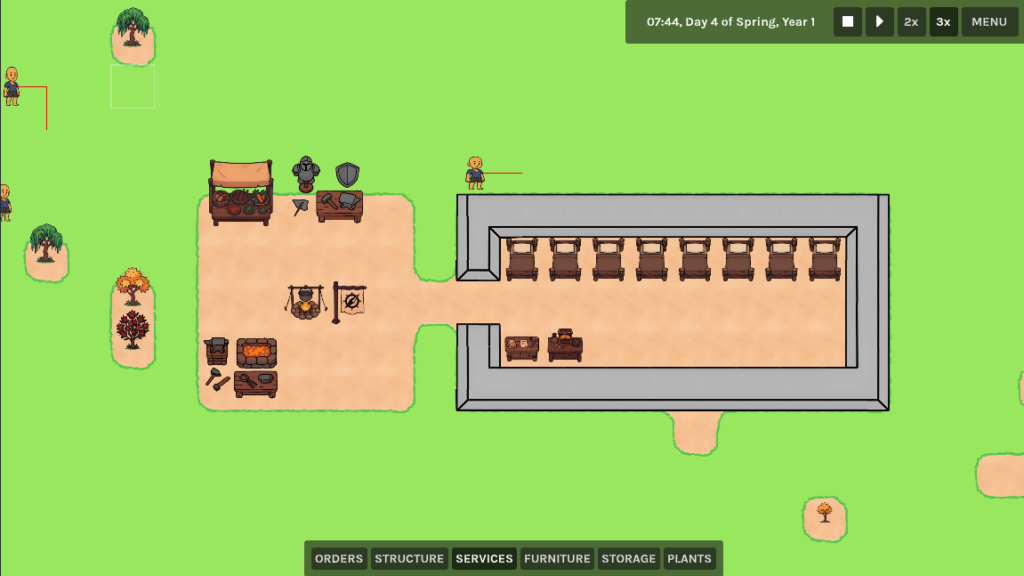
Then I added a pawn.
Just one little guy walking around. No real brain, just moving because I told him to move.
Then I added more.
And I don’t know exactly when it happened, but at some point I stopped testing… and started watching.
I’d generate a map, lean back, and just see what they’d do. Where they’d walk. Where they’d bunch up. How the layout changed their behavior. It wasn’t even a “system” yet, but it already felt alive in a weird, scrappy way.
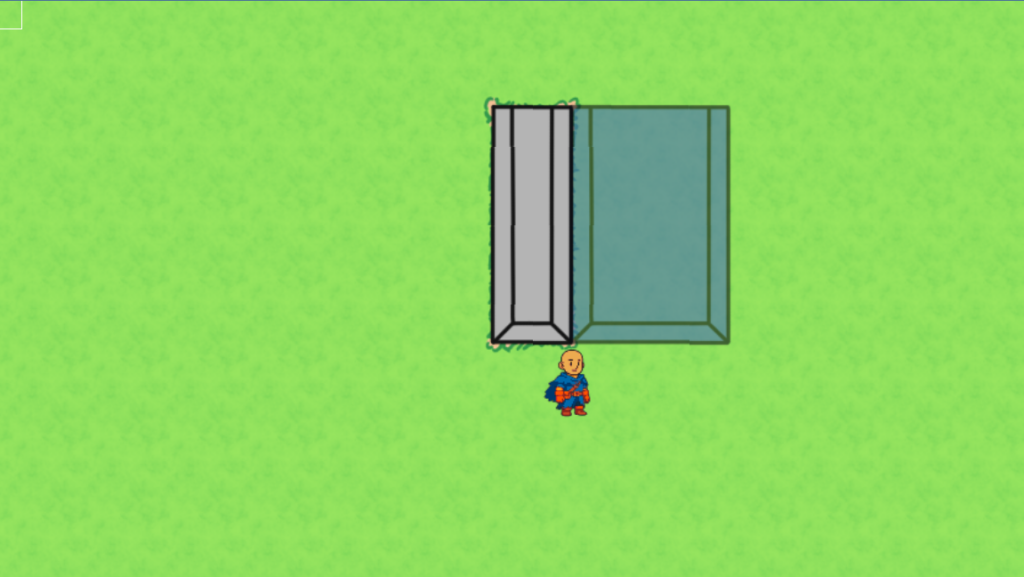
And that’s when it hit me.
This is not a level editor anymore.
This is something else.
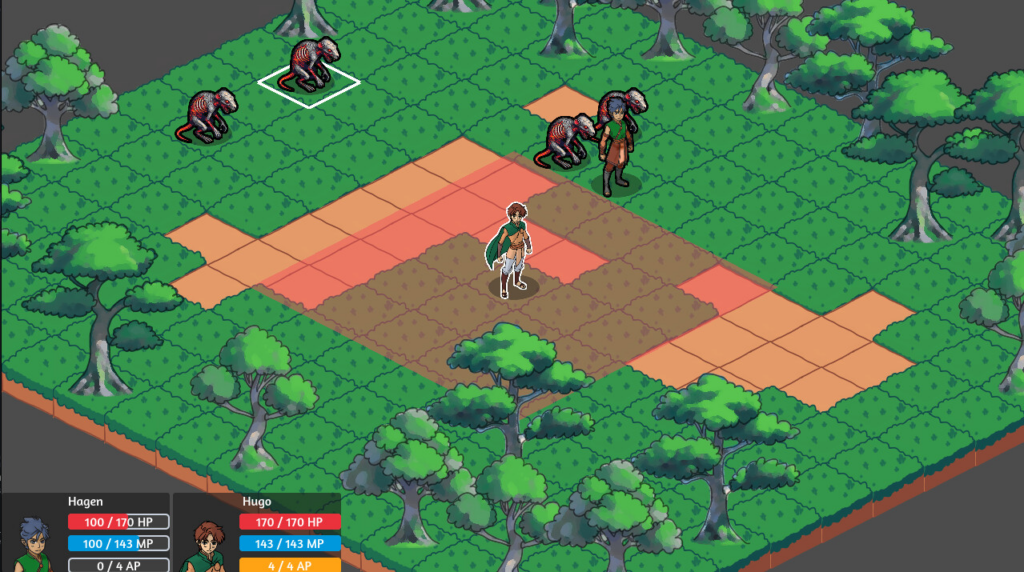
Now here’s the problem, Mythara Chronicles is big. Like, “this will take forever if I’m not careful” big. Tons of content, systems, worldbuilding… the kind of project that quietly eats years of your life.
So I had to be honest with myself.
If I keep this tied to that project, no one is going to see it for a long time.
So I pulled it out.
Took the map generation, took the wandering villagers, took that feeling of “generate and observe”… and let it stand on its own.
That’s where Wanderers’ Outpost really began.
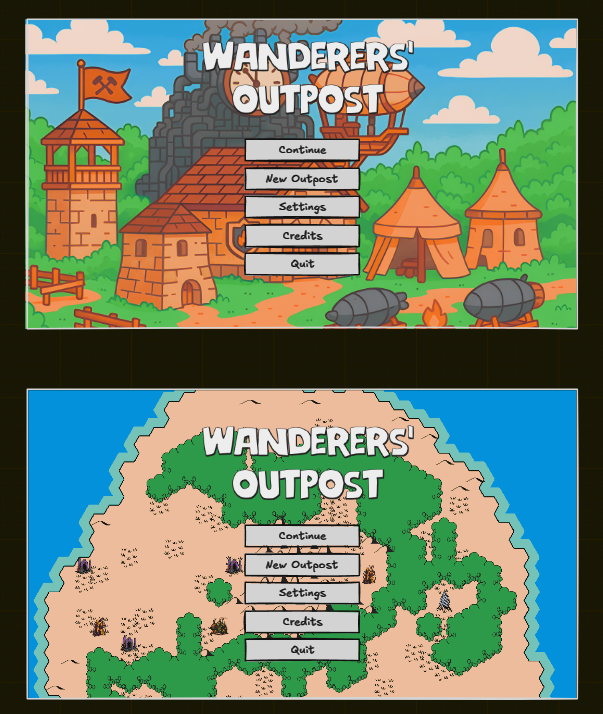
From there, things got clearer. I wasn’t trying to build a full survival sim. I wasn’t chasing complexity for the sake of it. I just wanted to lean into that feeling, of a place that grows, shifts, and reacts to the people inside it.
If I had to put a label on it, yeah, there’s a bit of RimWorld in there, but not the harsh survival angle. More like… a place that exists because people pass through it. A stop along the way. An outpost shaped by movement, not isolation.
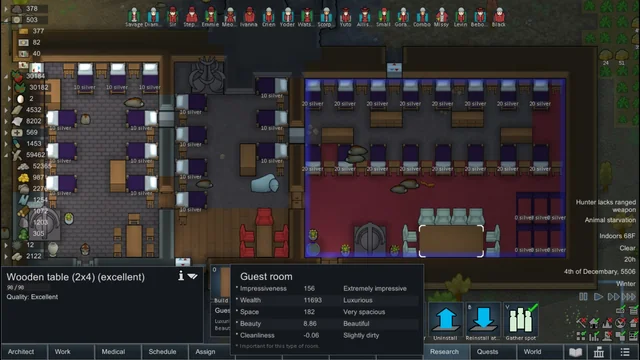
And naturally, bits of my other projects started sneaking in.
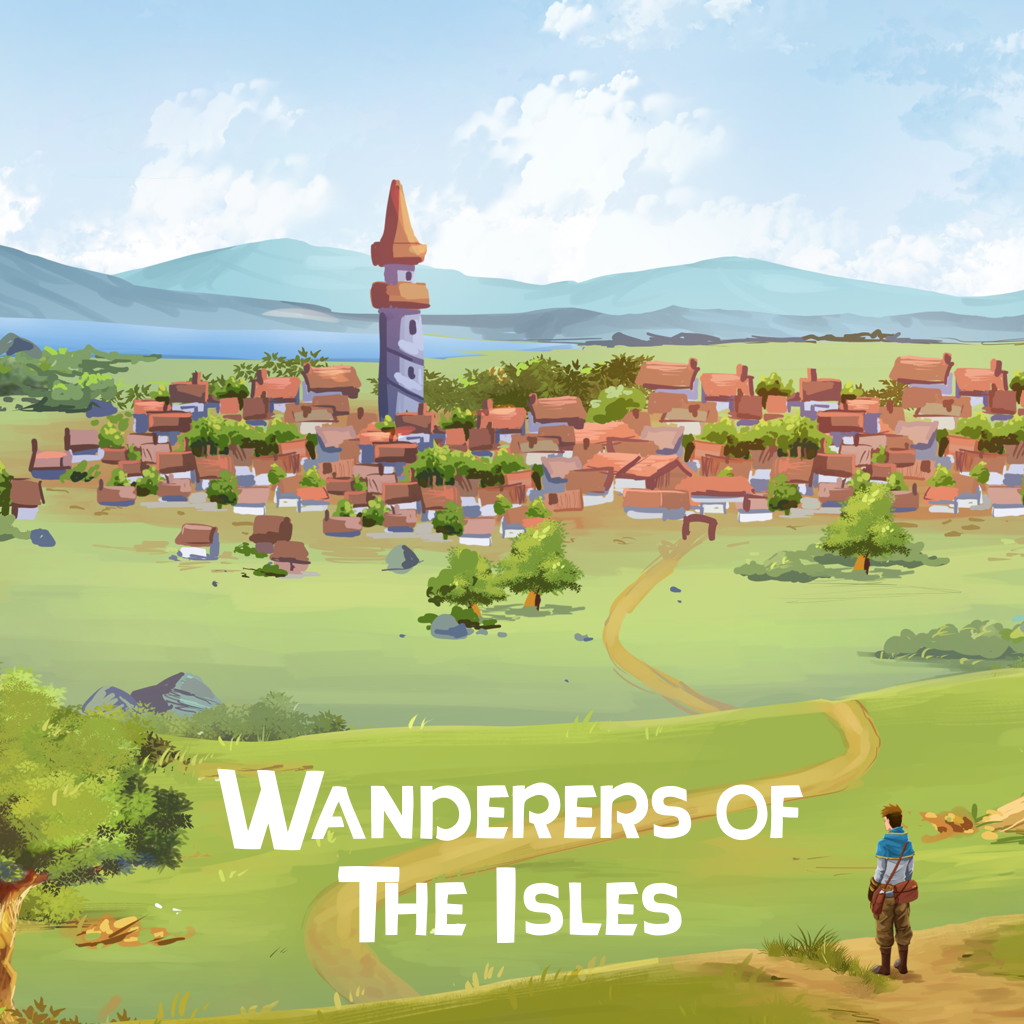
The world ties back to my Wanderers of the Isles TTRPG, because I already had this idea of adventurers roaming around, getting into trouble, diving into dungeons. It just made sense that somewhere out there, there are places built around them.
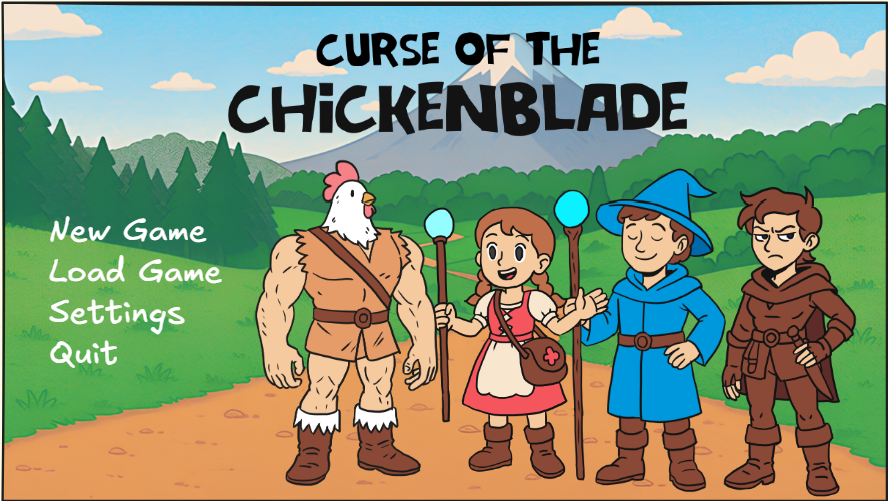
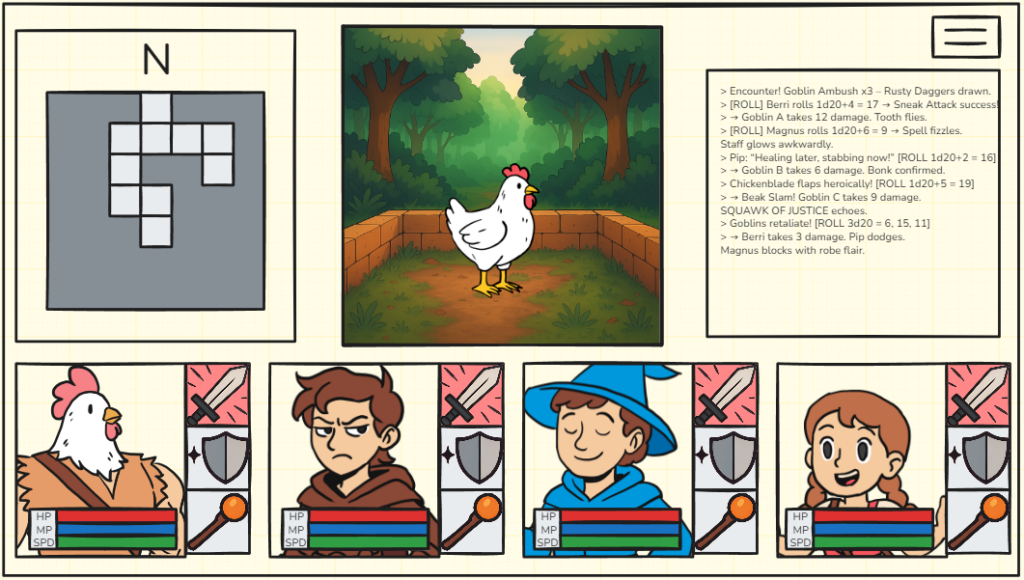
And then there’s this weird leftover energy from an old dungeon crawler jam project I never released. The one with the chicken. Yeah, that one still hasn’t left me alone. Turns out, once you design dungeons and encounters, it’s pretty natural to start thinking about everything around them, the roads, the stops, the places people gather before and after.
So this game became that space.
Not the dungeon itself.
But everything around it.
After about a year of building, breaking, reworking, and sometimes just staring at the screen wondering why something felt off… I reached a point where I had to decide.
Keep going in circles…
or let people see it.
So I released the demo.
It’s not finished. Not even close. There’s still a lot I want to add, more buildings, more interactions, more reasons for the place to feel alive.
But the core is there.
You generate a place.
You watch it breathe.
You shape it, slowly.
And sometimes… you just sit there and watch the little pawns wander around, doing their thing.
Which is still my favorite part.
Funny, right? It all started with something I wasn’t even supposed to enjoy.
